
The space directly beneath your roof is often the most neglected square footage in a home. For many, the attic is a dark, dusty “no-man’s-land” plagued by temperature swings and the occasional drip during a rainstorm. However, with a strategic approach to repairs and climate control, this overhead void can be converted into a premium organizational hub. Turning a leaky attic into a functional storage suite requires more than just laying down plywood; it demands a systematic overhaul of the home’s envelope to ensure your valuables remain protected for decades.
Assessing Structural Integrity and External Risks
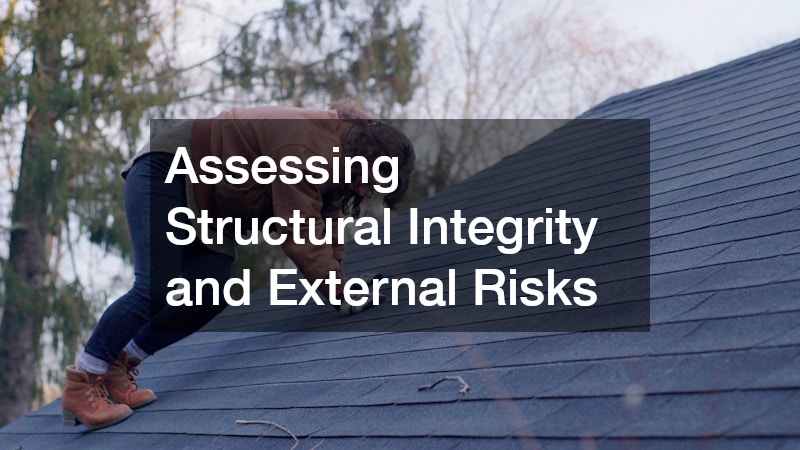
Before moving a single box upstairs, you must ensure the shell of your home is impervious to the elements. High-altitude storage is only as good as the roof protecting it. Begin by inspecting the underside of the roof deck for dark staining or soft spots that indicate long-term moisture exposure. Check for “daylight holes” where light peeks through the shingles, as these are direct paths for water. You should also examine the integrity of the floor joists to confirm they can support the additional “dead load” of plywood and the “live load” of your stored belongings.
Often, the source of attic moisture isn’t a failure of the shingles themselves, but rather environmental factors pressing against the house. Maintaining proper tree care around your roofline prevents heavy branches from scraping against the granules and creating entry points for water. Overhanging limbs also provide a highway for squirrels and raccoons to reach your gutters and eaves. Constant contact between foliage and shingles traps moisture and promotes the growth of moss and algae, which can prematurely age your roofing materials.
In some cases, a preventative trim isn’t enough to save the structure. If large limbs have already compromised the rafters or if a dying trunk leans precariously over the house, you should prioritize local tree removals to eliminate the threat of a catastrophic crush during the next high-wind event. Removing these hazards ensures that your renovation investment isn’t wiped out by a single falling oak. A fallen tree can cause thousands of dollars in structural damage that goes far beyond a simple leak, potentially compromising the foundation itself. Removing these hazards ensures that your renovation investment isn’t wiped out by a single falling oak.
- Check for sagging roof lines from the street.
- Inspect rafters for signs of dry rot or wood-boring insects.
- Clear all debris from gutters to prevent water backup under the eaves.
- Ensure that any tree work is performed by certified arborists to avoid damaging the lawn.
Sealing the Exterior Perimeter
Once the overhead threats are managed, focus on the transition points where the walls meet the roof. Water has a way of traveling along joists, meaning a leak in the attic might actually start several feet down the side of the house. Capillary action can pull moisture upward through small cracks, leading to mysterious dampness in your storage bins.
A reputable siding company can inspect the flashing and J-channels around your soffits to ensure wind-driven rain isn’t being pushed upward into the attic space. Properly installed exterior cladding acts as the first line of defense against the horizontal pressure of storms.
If the inspection reveals that water is indeed penetrating the primary barrier, you must pivot to professional leaky roof repairs immediately. Small gaps around vent pipes, skylights, or chimneys are the most common culprits for damp insulation and ruined cardboard boxes. These minor fixes prevent the need for much more expensive structural replacements later.
- Inspect the “apron” flashing where the roof meets a vertical wall.
- Replace cracked or missing caulking around window frames and trim.
- Look for “wicking” moisture on the interior of the attic gables.
- Ensure all siding panels are locked tightly to prevent wind-lift.
Fortifying the Roof and Managing Pests

With the leaks identified, the next step is ensuring the entire roof system is robust enough to handle the heat and weight of a storage conversion. A simple patch might fix a drip, but a comprehensive evaluation is better for long-term peace of mind. You want a surface that can withstand hail, snow loads, and intense UV radiation.
Scheduling a professional roof repair allows an expert to check for brittle shingles or rusted valley flashing that might fail in the coming season. This ensures that your newly organized space doesn’t become a soggy mess six months down the line. A healthy roof also regulates the temperature of the plywood deck, preventing it from warping.
While the roof is being secured, don’t overlook the biological threats to your belongings. Attics are prime real estate for rodents and insects, so implementing a rigorous pest control plan is essential to keep squirrels and moths from nesting in your holiday decor or heirloom clothing. Droppings and nesting materials can also damage insulation and create fire hazards near electrical wiring.
- Verify that all roof vents are screened to prevent bird entry.
- Check for silverfish or carpet beetles that thrive in dark, quiet spaces.
- Ensure that any previous animal entry points are sealed with galvanized steel mesh.
- Schedule seasonal inspections to catch infestations before they spread to the living quarters.
Optimizing the Internal Climate
An attic that isn’t temperature-controlled will quickly destroy sensitive items like electronics, photographs, or leather goods. Traditional fiberglass batts often fall short in providing the airtight seal needed for a high-end storage conversion. Without proper sealing, the stack effect will pull conditioned air out of your house and push humid air into the attic.
Consulting with a professional spray foam company is often the most effective way to create a conditioned attic. This specialized insulation expands into every crevice, effectively moving the thermal boundary of your home from the attic floor to the roofline. This “hot roof” design keeps the attic much closer to the temperature of the rest of your house.
This process not only stabilizes the temperature but also acts as an additional moisture barrier. By sealing the gaps where air leaks out, the spray foam company helps prevent the condensation issues that typically plague poorly ventilated upper stories. It also adds significant structural rigidity to the roof deck itself.
- Remove old, dusty, blown-in insulation to expose the attic floor for air sealing.
- Ensure that all recessed lighting cans are rated for contact with insulation.
- Seal the “top plates” of interior walls to stop air from leaking up from the rooms below.
- Consider a radiant barrier if you live in an exceptionally hot climate to reflect solar heat.
Clearing the Workspace and Managing Logistics

The actual labor of converting the attic involves reinforcing joists and installing flooring, and this requires an empty, manageable space. Most homeowners find that their current attic is already cluttered with forgotten items that hinder the renovation process. You need a blank canvas to check the electrical wiring and the condition of the floor joists.
To facilitate a smooth workflow, consider hiring a moving service to haul heavy, existing junk out of the attic and down to a staging area. This prevents physical strain and keeps your hallways clear while the construction takes place. Professionals have the straps and dollies necessary to navigate narrow attic stairs without damaging your walls.
If you don’t have a garage or spare room to hold these items during the transition, look for local storage options nearby. Keeping your workspace clear of debris and old furniture is the fastest way to ensure the structural upgrades are performed accurately. Having a clean environment allows for better visibility of the work being done.
- Label all boxes clearly before they leave the attic to save time during the move-back.
- Sort items into “Keep,” “Donate,” and “Trash” piles to reduce the load.
- Use heavy-duty plastic bins instead of cardboard to prevent future moisture or pest issues.
- Ensure the pathway from the attic to the exit is free of tripping hazards.
Finalizing the Transition to Permanent Storage
As the renovations wrap up and the space becomes airtight and sturdy, you can begin the process of moving your organized bins back into their new home. This is the time to be selective about what stays and what goes. You should prioritize items that are used once a year, such as holiday trees or heavy winter coats.
For items that are too bulky for the attic or things you need to access weekly, a dedicated storage facility can serve as an extension of your home’s new organizational system. This keeps the attic reserved for seasonal items like holiday lights and camping gear. Off-site options are perfect for things like kayaks or large furniture sets.
Using a storage facility for oversized furniture also ensures that you don’t exceed the weight limit of your attic joists, which are primarily designed for tension rather than heavy floor loads. By balancing your inventory, you preserve the structural integrity of your home while enjoying a clutter-free living environment. Always consult a structural engineer if you plan on storing extremely heavy items like book collections or weight sets.
- Install LED shop lights to ensure every corner of the attic is visible.
- Create a “map” of the attic so you know exactly where the Halloween decorations are located.
- Use shelving units that bolt to the rafters to maximize vertical space.
- Install a sturdy, telescoping attic ladder for safer access than a traditional step ladder.
Advanced Organizational Strategies

Now that the environment is stable, the focus shifts to efficiency. A successful attic conversion is one where you can find what you need in under five minutes. This requires a level of categorization that goes beyond simple stacking. Clear bins are the gold standard because they allow you to see the contents without opening them, reducing the time spent in the attic.
Consider installing a hoist system if your attic access is in a garage or high-ceilinged area. This allows you to lift heavy bins without climbing the ladder, significantly reducing the risk of falls. You should also ensure that the flooring you installed is rated for the specific weight of your inventory. Standard 3/4-inch plywood is usually sufficient for residential storage, provided the joists beneath are reinforced.
Finally, think about ventilation. Even a conditioned attic needs some air movement to prevent stagnation. Small, low-power fans can keep air circulating, which further discourages the growth of mildew. If you have any plumbing stacks running through the attic, ensure they are well-insulated so they don’t sweat and drip onto your newly finished floor.
Maintaining Your New Asset
A converted attic is not a “set it and forget it” project. It requires an annual check-up to ensure the systems are still functioning correctly. Every spring and fall, take ten minutes to walk through the space during a heavy rainstorm. Listen for the sound of dripping and look for any new dampness on the insulation.
Check the seals around your attic door or hatch. If you feel a draft, your conditioned air is escaping, which drives up your utility bills. Replacing the weatherstripping on the attic access point is a five-minute job that pays for itself in a single season. You should also check your pest traps to see if any new visitors have tried to make a home in your boxes.
By treating the attic as a high-value room rather than a crawl space, you extend the life of your home and your belongings. The peace of mind that comes with knowing your heirlooms are safe, dry, and organized is worth the initial investment in repairs and insulation.
Converting an underutilized attic into a pristine storage area is one of the most practical home improvements you can undertake. It maximizes your existing footprint, improves the overall energy efficiency of the building, and forces a much-needed audit of your household belongings. By addressing the exterior threats, securing the roof, and creating a climate-controlled interior, you transform a dark utility space into a bright, organized, and valuable part of your home. With the right preparation and professional help, that old leaky ceiling can become the foundation for a more orderly life. The transition from a wasted space to a functional asset increases the value of your property while decreasing the daily stress of a cluttered living environment.