A backyard should make it easier to relax, gather, and enjoy time outside without creating a long list of chores every weekend. The most comfortable outdoor spaces are usually the ones that balance visual appeal with practical design. Instead of choosing features only for appearance, homeowners can think about how each part of the yard will be used, cleaned, repaired, and maintained over time.
Patios, pools, fences, fire features, shade structures, trees, and landscaping can all work together to create an inviting space that still feels manageable. The key is choosing durable materials, reducing unnecessary upkeep, and planning each improvement around the property as a whole.
Before beginning a major renovation, it helps to identify the areas that require the most attention. Drainage issues, aging surfaces, overgrown trees, deteriorating fencing, and unused sections of the yard may all influence the order of future projects. By focusing on function, durability, and long-term care, homeowners can create a backyard that remains comfortable through changing seasons and everyday use.
Plan the Backyard Around Everyday Activities
A low-maintenance backyard begins with a clear understanding of how the space will actually be used. Some households want an outdoor dining area, while others need room for children, pets, gardening, entertaining, or quiet relaxation. Defining those priorities early makes it easier to choose materials and features that support daily routines rather than creating unnecessary work.
Start by dividing the property into functional zones. A patio can serve as the main gathering area, while a separate lawn or recreation area gives people room to move. Gardens, storage spaces, grilling stations, and pathways should connect logically so that people do not have to cross muddy, uneven, or crowded areas to move through the yard.
Working with hardscape contractors can be helpful when a project includes several permanent features. Hardscaping can organize the yard with patios, walkways, retaining walls, steps, borders, and other constructed elements. When these features are planned together, homeowners can create smoother transitions between different areas and account for grading or drainage before construction begins.
Choose a Patio That Is Easy to Maintain
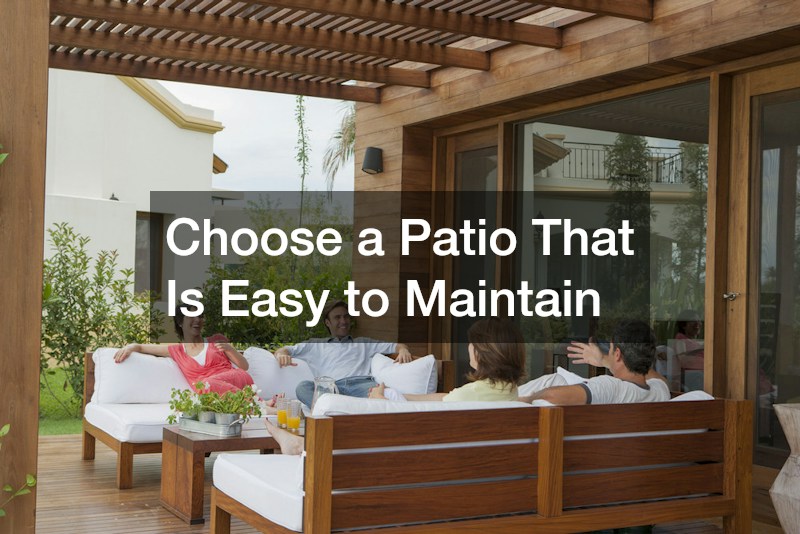
Patios often become the center of an outdoor living area because they provide a stable surface for furniture, dining, grilling, and entertaining. A well-designed patio can also reduce the amount of lawn that needs mowing and create a cleaner transition between the home and the rest of the yard.
A local patio builder can help homeowners determine the size, shape, and materials that fit the property’s layout. Concrete, pavers, brick, and natural stone all offer different advantages, and each material has its own maintenance requirements. Homeowners should consider how frequently the surface will need sealing, cleaning, weed control, or repairs before making a final decision.
Drainage should be part of the patio design from the beginning. Water that collects near the foundation or pools on the patio can create long-term problems.
Adding a fire pit can extend the usefulness of the patio into cooler evenings. The feature should be placed where it has appropriate clearance from structures, vegetation, and combustible materials. Whether built into the patio or added as a movable feature, it should complement the traffic pattern rather than creating an obstacle in the middle of a frequently used area.
Simplify Tree Care and Yard Cleanup
Trees can make a backyard more comfortable by providing shade, privacy, and visual interest, but they also require attention as they grow. Branches may extend over roofs, patios, fences, pools, or utility lines, and unhealthy trees can create safety concerns. Regular observation can help homeowners address small issues before they become more disruptive.
Professional tree service companies can evaluate tree health, structural concerns, storm damage, and placement. They may also recommend pruning schedules based on the type, age, and condition of the trees on the property. This can be especially useful in yards with several mature trees or trees located close to structures.
Tree trimmers can help remove overgrown, dead, or poorly positioned branches that interfere with outdoor areas. Strategic pruning may improve clearance above walkways and patios while allowing more light to reach lawns and planting beds. Homeowners should avoid excessive pruning, however, because removing too much growth at once may stress certain trees.
When a tree has already been removed, the remaining stump can make mowing difficult and limit how the area is used. Stump grinding services can reduce the stump below ground level so the area can be filled, replanted, or incorporated into another part of the landscape. Removing leftover stumps may also improve the appearance of the yard and reduce obstacles in high-traffic areas.
Routine cleanup becomes easier when trees and shrubs are kept within reasonable boundaries. Maintaining clear edges around patios, pathways, fences, and lawns can prevent vegetation from making the space feel crowded or difficult to manage.

Select Fencing for Privacy and Practicality
A backyard often feels more comfortable when it has clearly defined boundaries. Fencing can provide privacy, create separation from neighboring properties, help contain pets, and make outdoor gathering areas feel more enclosed. The right fence can also contribute to the overall appearance of the landscape.
Wood fencing remains a popular option because it can complement many home styles and be customized with different heights, stains, board patterns, and decorative details. Homeowners should remember that wood generally requires periodic maintenance to preserve its appearance and protect it from moisture, sunlight, and insects. Choosing a durable wood species and keeping the fence properly finished can make ongoing care more manageable.
Fence placement should support the rest of the backyard layout. Gates should connect naturally with driveways, sidewalks, patios, and garden paths. Wider gates may be helpful for lawn equipment, wheelbarrows, or larger outdoor items, while frequently used pedestrian gates should open and close easily.
It is also useful to keep landscaping away from fence lines when possible. Dense shrubs and vines can trap moisture against the boards and make inspection or repairs more difficult. A small maintenance buffer gives homeowners room to trim vegetation and access both sides of the fence.
Periodic inspections can prevent small problems from becoming larger repairs. Loose boards, leaning posts, damaged hardware, and sticking gates should be addressed promptly. A fence that is incorporated into the broader yard design can provide privacy without becoming a maintenance burden.
Create a Pool Area That Stays Inviting
A pool can become one of the most enjoyable parts of a backyard, but it also introduces maintenance responsibilities that should be considered during the planning stage. Families thinking about adding a pool should evaluate how much space they want to dedicate to swimming, seating, storage, and circulation before construction begins.
Experienced inground pool builders can help homeowners compare layouts, materials, depths, entry options, and surrounding deck designs. The pool should fit comfortably within the property rather than overwhelming the available outdoor space. Leaving enough room around the perimeter can make cleaning, furniture placement, and future repairs easier.
The surrounding surface deserves careful attention because it experiences frequent exposure to water, sun, and foot traffic. Older concrete may become stained, worn, or uneven over time. Pool deck concrete refinishing can improve the appearance of an existing deck and may provide an opportunity to address minor surface deterioration without replacing the entire area.
Ongoing pool maintenance is essential for keeping the water and equipment in appropriate condition. Regular tasks may include checking water chemistry, cleaning filters, removing debris, inspecting pumps, and monitoring the pool surface and surrounding equipment. Establishing a consistent routine makes it easier to spot changes before they become expensive problems.
Storage can also reduce clutter around the pool. A dedicated area for floats, cleaning tools, towels, and toys keeps walkways clearer and makes the space easier to prepare for use. When the pool area is designed with maintenance in mind, it can remain a comfortable feature rather than feeling like a constant project.
Reduce Maintenance With Smart Landscaping Choices
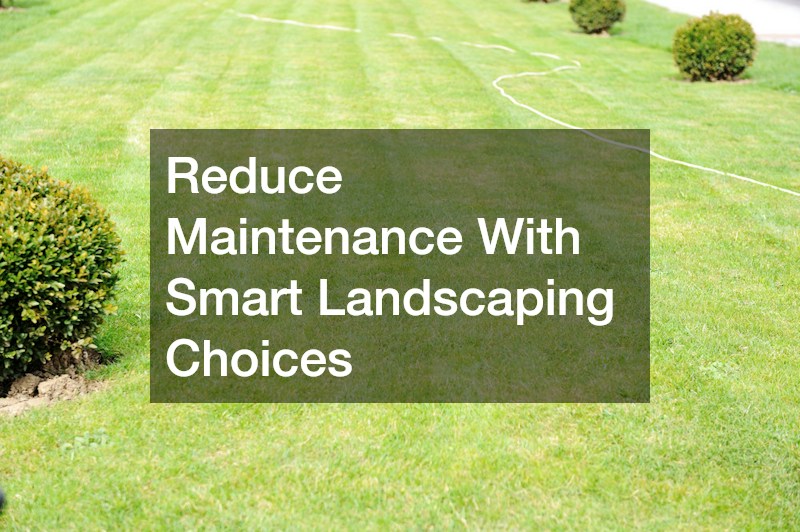
Landscaping has a major influence on how much time homeowners spend maintaining the backyard. Large lawns, high-maintenance plants, and complicated garden beds can require frequent mowing, watering, pruning, fertilizing, and cleanup. Simplifying the landscape does not mean eliminating plants. It means choosing them more intentionally.
Begin by considering the amount of sunlight, rainfall, soil drainage, and available irrigation in different parts of the yard. Plants that are suited to existing conditions generally require less intervention than species that struggle in the environment. Grouping plants with similar water needs can also make irrigation more efficient.
Mulch can help reduce weeds, retain moisture, and give planting beds a finished appearance. Edging around beds creates clearer boundaries and can prevent grass from spreading into landscaped areas. Homeowners who want even less upkeep may reduce the size of traditional lawns by expanding patios, pathways, or planted areas.
Ground covers can be useful in spaces where grass is difficult to maintain, such as shaded areas or slopes. Gravel and decorative stone may also work in certain locations, although homeowners should consider heat, drainage, and how the materials will stay contained.
The goal is to create a landscape that looks intentional without requiring constant attention. A few well-chosen planting areas often create more impact than numerous small beds scattered throughout the property. Keeping the design simple can also make seasonal cleanup quicker and easier.
Add Comfort Without Adding Excessive Upkeep
Comfortable backyards encourage people to spend more time outdoors, but every new feature can create additional maintenance. The best additions are those that provide meaningful value without demanding constant care. Shade, lighting, furniture, storage, and cooking areas can all improve usability when selected carefully.
Outdoor furniture should be made from materials suited to local weather conditions. Cushions that dry quickly, rust-resistant frames, and easy-to-clean surfaces can reduce the amount of seasonal work. Covers or storage may help extend the life of furniture that is not used year-round.
Shade can come from trees, umbrellas, awnings, or permanent structures. Homeowners should consider how shade changes throughout the day before choosing a location. A dining area that is comfortable in the morning may receive direct afternoon sun, while a lounge area placed beneath mature trees may collect more leaves and debris.
Lighting can improve both comfort and visibility. Path lights, step lights, and fixtures near doors can help people move through the yard after dark. Solar fixtures may work in some locations, while wired systems can provide more consistent illumination in heavily used areas.
Storage is another important part of low-maintenance design. Outdoor bins, benches, sheds, or cabinets can keep tools, toys, cushions, and gardening supplies out of the way. When frequently used items have designated storage, cleanup becomes faster and the backyard feels more organized.
Build a Simple Routine for Long-Term Care
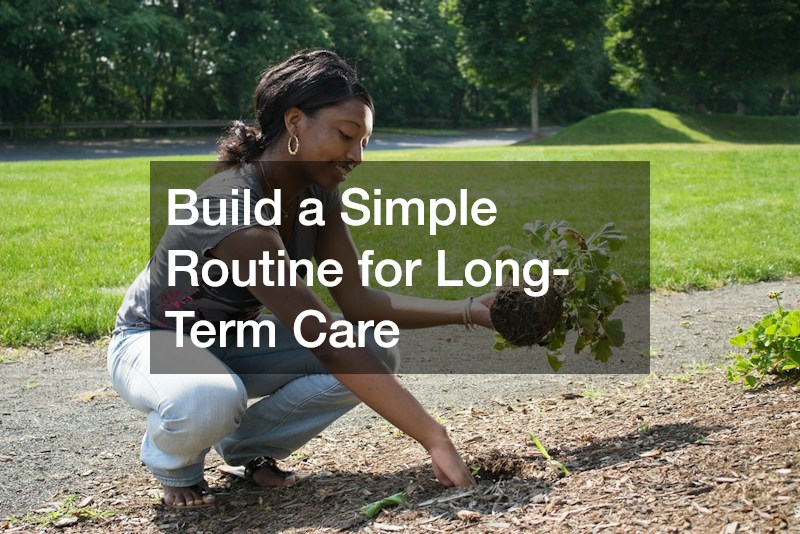
Even a carefully designed backyard needs regular attention. The difference between a manageable yard and a demanding one often comes down to whether maintenance is handled consistently. Creating a simple seasonal routine can help homeowners keep track of important tasks without feeling as though the entire property needs attention at once.
Spring may be a good time to inspect fences, patios, trees, pool equipment, and drainage after winter weather. Summer maintenance can focus on watering, mowing, pool care, and cleaning gathering areas. Fall often requires leaf removal, pruning, and preparation for colder conditions. Winter may provide an opportunity to plan repairs or upgrades for the following year.
Homeowners should also inspect hard surfaces for cracks, movement, staining, or drainage problems. Decks, patios, walkways, fences, and pool surrounds can last longer when small repairs are completed before damage spreads. Trees should be checked after storms, especially when branches extend over structures or outdoor gathering areas.
Keeping a basic maintenance calendar can make these tasks easier to remember. Instead of relying on occasional large cleanup days, homeowners can divide work into smaller monthly or seasonal jobs. This approach also makes it easier to budget for professional services when they are needed.
A comfortable backyard should support daily life rather than compete with it. By choosing durable materials, planning practical layouts, simplifying landscaping, and maintaining major features consistently, homeowners can create an outdoor space that remains enjoyable without demanding excessive time, effort, or attention.