Meta Title: 10 Essential Home AC Maintenance Tips for Smooth Operation
Meta Description: Discover 10 essential home AC maintenance tips to prevent common home AC problems and keep your system running efficiently year-round.
- Regularly clean or replace air filters to improve airflow, efficiency, and indoor air quality.
- Schedule annual professional maintenance to detect issues early and prevent costly repairs.
- Keep coils, ducts, and outdoor units clean to ensure optimal cooling performance.
- Monitor refrigerant levels and electrical components to avoid common home AC problems.
- Seal ductwork and maintain proper insulation to maximize energy efficiency.
- Pay attention to system performance—unusual noises, odors, or uneven cooling signal potential problems.
- Maintain proper thermostat settings to reduce strain on your AC and lower energy costs.
Keeping your home air conditioning system in top shape is vital for comfort, energy efficiency, and longevity. Many homeowners neglect regular maintenance, which can lead to unexpected breakdowns, higher energy bills, and reduced cooling performance. By following simple, practical maintenance steps, you can prevent common home AC problems and enjoy reliable cooling all year round.
This guide outlines ten essential tips that are easy to implement and can save you both time and money.
1. Clean or Replace Air Filters Regularly
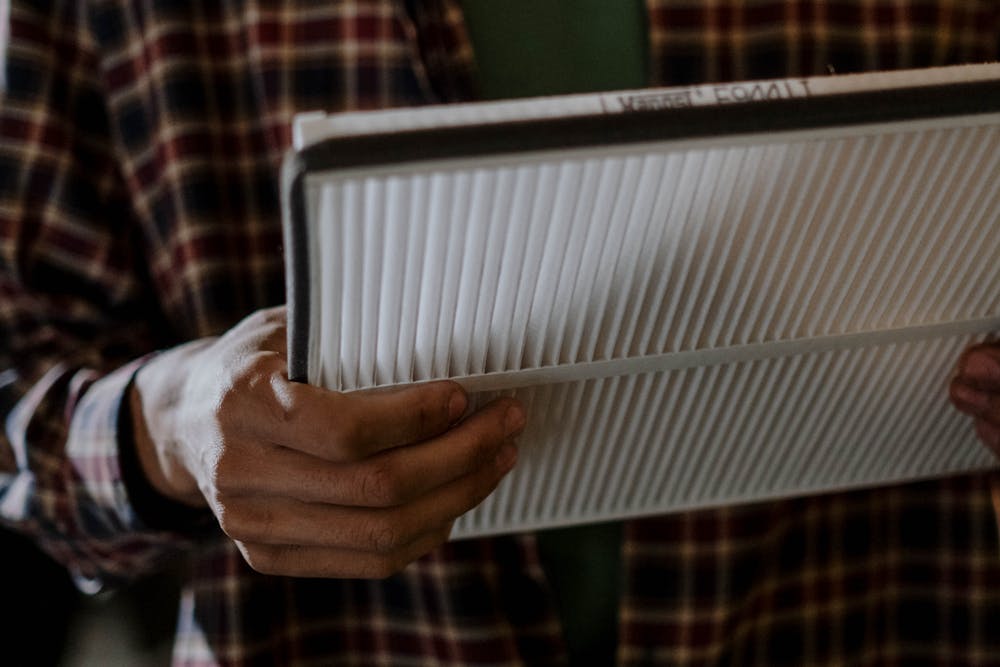
Air filters are essential for keeping your home’s air clean while helping your air conditioning system run efficiently. When filters become clogged with dust, dirt, and other airborne particles, airflow is reduced. This restriction forces the AC unit to work longer and harder to circulate cool air, which can lead to higher energy use and added strain on the system’s components. Regularly checking and replacing the filter helps maintain proper airflow, improves indoor air quality, and supports the overall performance of your cooling system.
- Check filters every month, especially during peak cooling seasons.
- Replace disposable filters every 1–3 months or clean reusable filters according to the manufacturer’s instructions.
- Consider upgrading to high-efficiency filters for better air quality and longer-lasting system performance.
Regular filter maintenance reduces the likelihood of common home AC problems such as frozen coils or uneven cooling.
2. Inspect the Thermostat Settings
A properly functioning thermostat ensures your home stays at a comfortable temperature without overworking your AC.
- Make sure your thermostat is set correctly and responds to temperature changes.
- Upgrade to a programmable or smart thermostat for better energy management.
- Keep it away from direct sunlight or heat sources, which can cause inaccurate readings.
By optimizing thermostat settings, you can reduce energy costs and avoid unnecessary strain on your AC system.
3. Clean the AC Coils
Over time, the evaporator and condenser coils can accumulate dust and debris, which reduces the system’s efficiency.
- Check the coils annually and clean them carefully with a soft brush or coil cleaner.
- Remove any debris from the outdoor condenser unit, such as leaves or grass.
- Ensure proper airflow around the coils to maintain optimal cooling performance.
Clean coils prevent overheating and help your AC deliver consistent cooling throughout your home.
4. Clear the Condensate Drain
The condensate drain line is responsible for carrying away the moisture your air conditioner collects during the cooling process. When this drain becomes blocked, water can back up inside the system, potentially causing leaks, property damage, and creating a damp environment where mold and mildew may develop. Regularly checking and clearing the drain helps prevent these issues and keeps your AC operating efficiently.
- Inspect the drain line regularly for blockages.
- Use a small brush or a wet-dry vacuum to remove any debris.
- Consider pouring a mixture of water and vinegar down the drain to prevent algae buildup.
Proper drainage protects your home and ensures the AC operates efficiently.
5. Check Refrigerant Levels
Refrigerant is essential for the cooling process. Low levels can indicate a leak and reduce your system’s efficiency.
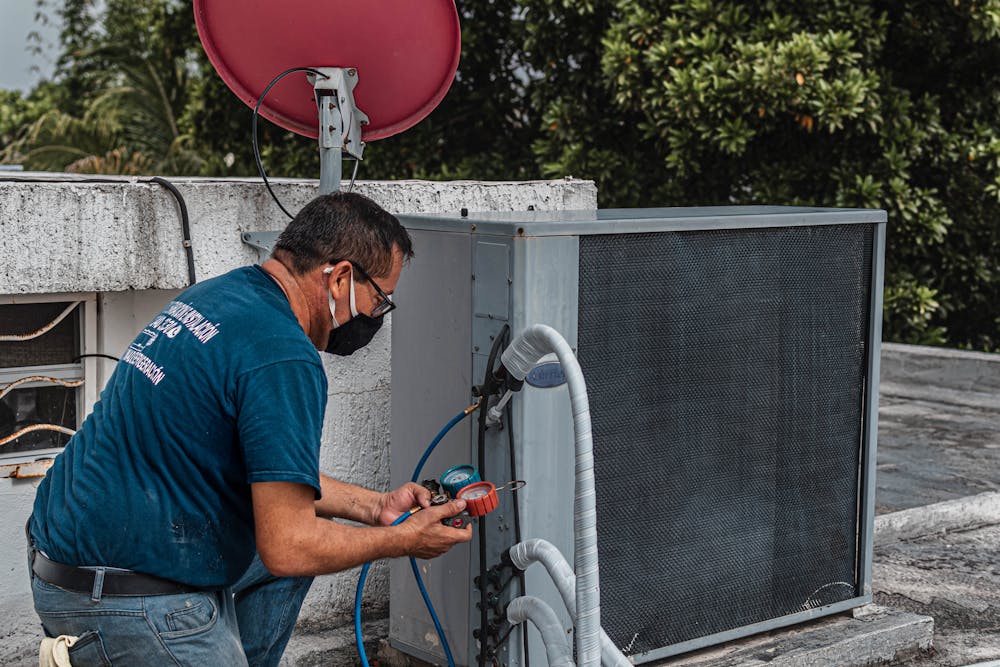
- Hire a professional to check and recharge refrigerant if necessary.
- Avoid trying to add refrigerant yourself, as handling it requires specialized equipment.
- Regular checks help maintain optimal cooling and prevent strain on your AC compressor.
6. Inspect Electrical Components
Electrical issues are a common cause of home AC problems and can be dangerous if ignored.
- Turn off power and inspect connections for wear or corrosion.
- Check fuses, circuit breakers, and wiring for any signs of damage.
- Schedule a professional inspection annually to ensure safe operation.
Preventive electrical maintenance reduces the risk of system failure and keeps your AC running safely.
7. Keep the Outdoor Unit Clear
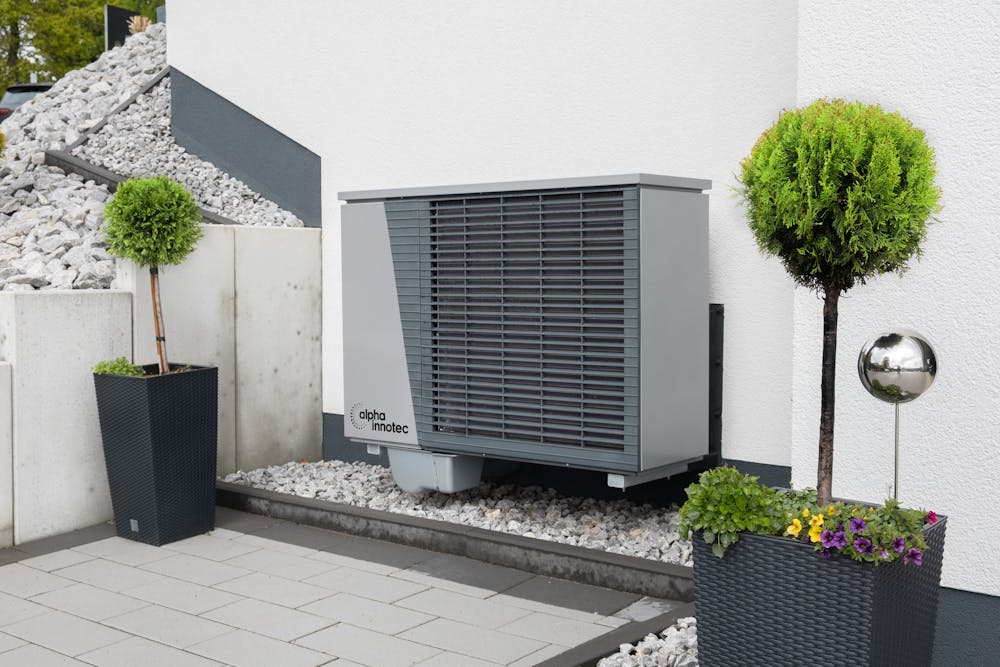
Your outdoor condenser unit needs sufficient airflow to function efficiently.
- Remove leaves, branches, and debris from around the unit.
- Trim nearby plants to maintain at least 2 feet of clearance on all sides.
- Ensure the unit is level to prevent strain on the compressor.
A clear outdoor unit helps your AC work efficiently and extends its lifespan.
8. Schedule Professional Maintenance
While DIY maintenance is essential, professional inspections catch issues that might be overlooked.
- Have a licensed HVAC technician service your system annually.
- They can detect refrigerant leaks, worn components, and other potential problems.
- Professional servicing ensures your system remains reliable and energy-efficient.
Regular professional maintenance complements your DIY efforts, keeping your AC in peak condition.
9. Monitor System Performance
Pay attention to changes in cooling efficiency, unusual noises, or odors from your AC system.
- Note if certain rooms are not cooling properly.
- Listen for rattling, buzzing, or hissing sounds.
- Track energy bills for sudden increases that could indicate an underlying issue.
Early detection of issues prevents costly repairs and prolongs the life of your system.
10. Seal Ductwork and Insulate Properly
Leaky ducts and poor insulation reduce your AC’s effectiveness and increase energy consumption.
- Inspect ducts for leaks, loose connections, or holes.
- Seal gaps with foil-backed tape or mastic sealant.
- Ensure proper insulation around ducts and in attic spaces.
Sealing and insulating ducts ensures cool air reaches every part of your home efficiently.
Conclusion
Routine home AC maintenance is the key to keeping your system running smoothly and avoiding costly breakdowns. From cleaning filters and coils to scheduling professional inspections, these ten tips cover the most critical aspects of system care. By incorporating these practices into your annual maintenance routine, you can prevent common home AC problems, save energy, and extend the life of your air conditioner.