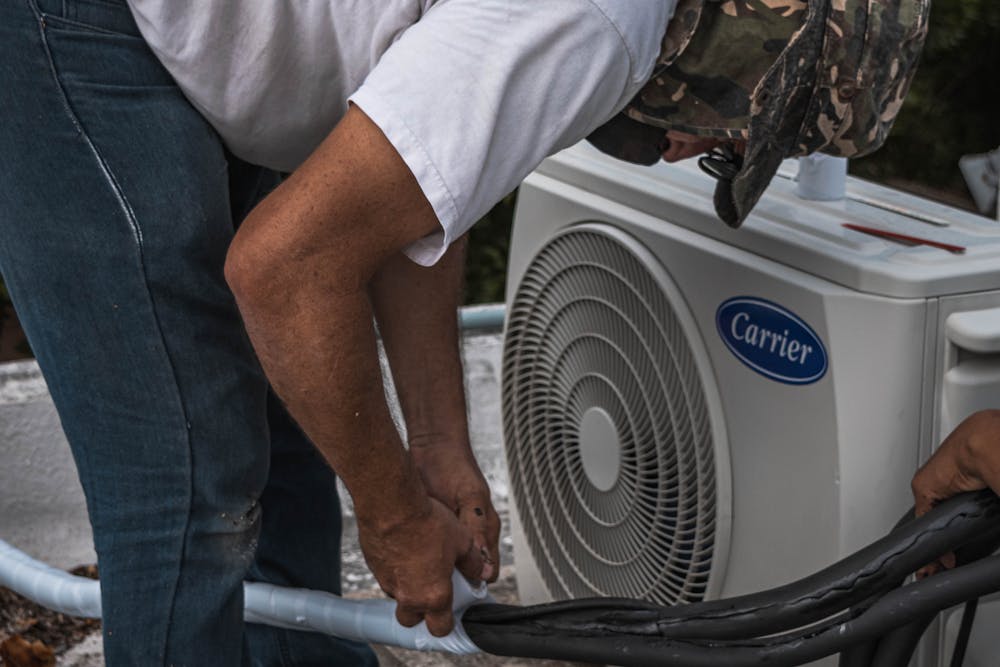
- Regular maintenance, including cleaning filters and coils, prevents the most common home AC problems.
- Low refrigerant levels and leaks reduce cooling efficiency and require professional repair.
- Frozen coils, water leaks, and bad odors are signs of airflow or drainage issues that need attention.
- Electrical problems, such as tripped breakers or faulty capacitors, can stop your AC from running properly.
- Unusual noises and short cycling indicate mechanical or sizing issues that affect system performance.
- Timely troubleshooting and professional inspections extend the lifespan of your air conditioner.
- Proper thermostat use and correct AC sizing improve efficiency and lower energy costs.
Your home air conditioner is a vital component for comfort, especially during hot months. However, like any mechanical system, it can experience issues that affect its performance. Understanding common home AC problems and how to fix them can save you money, prevent downtime, and extend the life of your system. In this article, we’ll explore the ten most frequent AC issues homeowners face and provide practical guidance on troubleshooting and solutions.
1. AC Not Cooling Properly
One of the most noticeable problems is when your AC runs but fails to cool your home effectively. This issue can be caused by several factors, ranging from clogged filters to low refrigerant levels. Recognizing the root cause is key to restoring your home’s comfort.
Possible Causes:
- Dirty air filters: Restrict airflow and reduce cooling efficiency.
- Low refrigerant: Leaks can cause insufficient cooling.
- Blocked condenser coils: Dirt and debris prevent heat exchange.
- Faulty thermostat: Incorrect temperature readings may prevent proper cooling.
How to Fix:
- Check and replace dirty air filters regularly.
- Inspect the refrigerant lines and consult a professional if a leak is suspected.
- Clean the condenser coils using a soft brush or vacuum.
- Test your thermostat settings and recalibrate if necessary.
Regular maintenance, including seasonal inspections, can prevent this common issue.
2. AC Won’t Turn On
When your air conditioner doesn’t start, it can be frustrating, especially during peak heat. This problem can stem from electrical or mechanical failures and requires careful troubleshooting.
Possible Causes:
- Tripped circuit breaker: Power interruptions prevent AC operation.
- Faulty thermostat: Dead batteries or wiring issues may block startup.
- Blown fuses: Protect the system, but they can stop operation.
- Worn-out motor: Prevents the fan or compressor from running.
How to Fix:
- Reset the circuit breaker or replace a blown fuse.
- Check thermostat batteries and wiring connections.
- Ensure the motor and compressor are functioning; call a technician if replacement is needed.
- Inspect the AC unit for visible damage or obstruction.
Preventive checks on the electrical system can minimize unexpected shutdowns.
3. Frozen AC Coils
Frozen coils are a common and often overlooked problem in home AC units. This issue typically results from airflow or refrigerant problems, which can affect system efficiency.
Possible Causes:
- Dirty air filters: Limited airflow causes the coils to freeze.
- Low refrigerant levels: Leads to freezing due to insufficient heat absorption.
- Blocked vents: Air circulation is essential to prevent ice formation.
- Mechanical faults: Problems with the blower fan can reduce airflow.
How to Fix:
- Replace or clean air filters regularly.
- Check vents and remove obstructions.
- Schedule professional servicing to repair refrigerant leaks.
- Allow the unit to thaw completely before restarting.
Consistent airflow and maintenance prevent coils from freezing and ensure optimal performance.
4. Strange Noises from AC
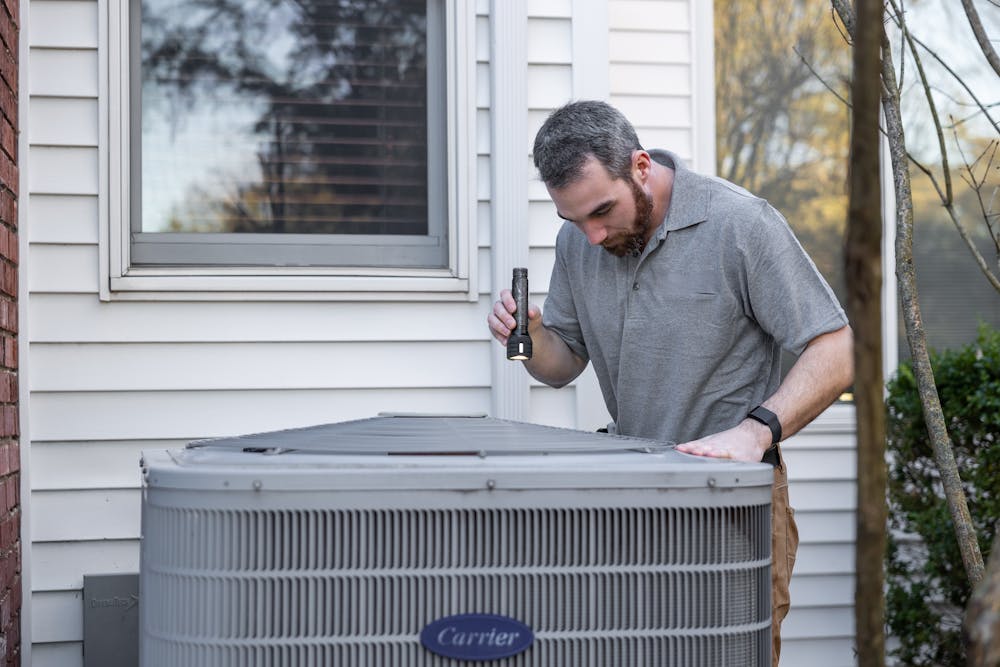
Unusual noises can signal various problems with your AC unit. From rattling to squealing, identifying the type of sound is crucial to diagnosing the issue before it worsens.
Common Noises:
- Rattling: Loose parts or debris in the unit.
- Hissing: Refrigerant leaks or duct leaks.
- Squealing: Worn belts or motor issues.
- Banging: Loose or broken components.
How to Fix:
- Inspect and tighten loose parts.
- Remove debris from the condenser and indoor unit.
- Replace worn belts or lubricate motors if needed.
- Call a professional if you suspect refrigerant leaks.
Addressing unusual noises early can prevent more costly repairs in the future.
5. Water Leaks Around AC
Water pooling around your air conditioner is a common concern for homeowners. While some condensation is normal, excessive leakage may indicate a problem that requires attention.
Possible Causes:
- Clogged condensate drain line: Prevents water from draining.
- Frozen coils: Ice melts and creates excess water.
- Improper installation: Incorrect slope or drainage can cause leaks.
- Damaged drain pan: Cracks or rust may allow water to escape.
How to Fix:
- Clear the condensate drain line with a vacuum or pipe cleaner.
- Check for frozen coils and thaw the unit if necessary.
- Inspect the installation to ensure proper slope and drainage.
- Replace a damaged drain pan to prevent further leaks.
Regular inspection of the drainage system helps avoid water damage and maintains indoor comfort.
6. AC Constantly Running
If your AC runs continuously without cycling off, it’s inefficient and costly. This issue usually points to underlying problems that affect system performance.
Possible Causes:
- Dirty air filters: Restrict airflow, forcing the AC to run longer.
- Thermostat issues: Faulty settings may prevent proper cycling.
- Low refrigerant: Makes the system work harder to reach set temperatures.
- Undersized AC unit: Struggles to cool larger spaces.
How to Fix:
- Replace air filters to improve airflow.
- Verify thermostat accuracy and settings.
- Inspect refrigerant levels and repair leaks if necessary.
- Consult a professional if the unit is undersized for your home.
Proper sizing and routine maintenance ensure efficient operation and lower energy costs.
7. Bad Odors from AC
Unpleasant smells from your AC can make your home uncomfortable and may indicate a health hazard. Identifying the odor source is essential for a safe solution.
Common Odor Sources:
- Mold or mildew: Moisture in the system encourages growth.
- Burning smell: Electrical problems or overheating components.
- Stale air: Accumulation of dust and debris.
- Gas-like odor: Refrigerant leaks or chemical contamination.
How to Fix:
- Clean the evaporator coils and drain pan to remove mold.
- Inspect electrical components and wiring.
- Replace air filters and clean ducts regularly.
- Call a professional for refrigerant-related issues.
Keeping your AC clean and well-maintained prevents odors and promotes healthier indoor air quality.
8. AC Short Cycling
Short cycling occurs when the AC turns on and off repeatedly within short intervals. This behavior can reduce cooling efficiency and strain the system.
Possible Causes:
- Dirty filters or coils: Reduce airflow and cause the system to overheat.
- Thermostat placement issues: Improper readings trigger frequent cycles.
- Low refrigerant: Causes the system to shut down prematurely.
- Oversized AC unit: Cools spaces too quickly and shuts off.
How to Fix:
- Clean or replace filters and coils regularly.
- Reposition the thermostat for accurate temperature readings.
- Inspect refrigerant levels and repair leaks.
- Consult a technician if your AC is improperly sized.
Correct diagnosis and timely repair can prevent excessive wear on your air conditioner.
9. Refrigerant Leaks
Refrigerant leaks are a serious issue that reduces cooling efficiency and can harm the environment. They often go unnoticed until performance drops significantly.
Signs of a Leak:
- Reduced cooling efficiency.
- Ice formation on coils.
- Hissing or bubbling noises from AC lines.
- Higher energy bills without increased usage.
How to Fix:
- Locate the leak using professional equipment.
- Repair or replace damaged lines.
- Refill refrigerant to the manufacturer’s recommended levels.
- Schedule regular inspections to prevent future leaks.
Only certified professionals should handle refrigerants due to safety and legal regulations.
10. Electrical Problems
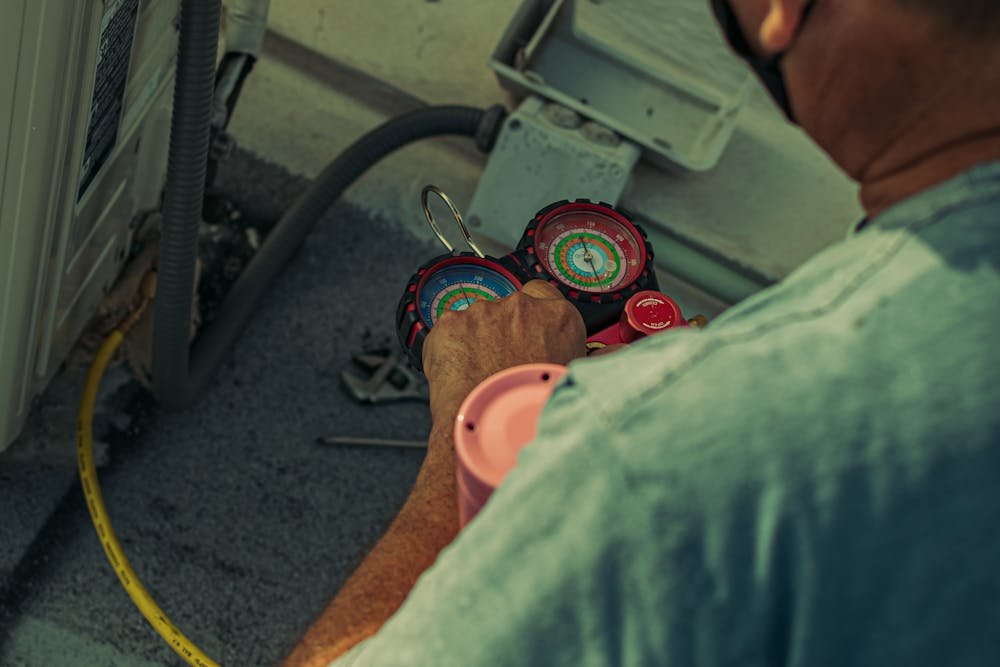
Electrical issues are a frequent cause of AC malfunctions. From tripped breakers to faulty wiring, these problems can prevent the system from operating efficiently.
Common Electrical Issues:
- Tripped circuit breakers: Interrupts power to the unit.
- Loose connections: Can cause intermittent operation.
- Capacitor or contactor failure: Prevents the compressor or fan from starting.
- Blown fuses: Protects the system but halts operation.
How to Fix:
- Reset tripped breakers or replace blown fuses.
- Inspect wiring connections and tighten loose terminals.
- Replace damaged capacitors or contactors with professional help.
- Conduct regular electrical inspections to prevent sudden failures.
Proper electrical maintenance ensures reliable operation and avoids costly repairs.
How to Prevent Common AC Problems
Preventing issues before they arise is the best way to keep your air conditioner running efficiently. Small steps can save homeowners from costly repairs and ensure the system lasts longer.
Tips to Prevent AC Problems:
- Schedule regular maintenance: Have a professional inspect your AC at least once a year.
- Replace air filters on time: Clean filters every 1–3 months to ensure proper airflow.
- Keep vents and ducts clear: Remove obstructions and seal any leaks to maintain efficiency.
- Monitor refrigerant levels: Low refrigerant can reduce cooling and damage the system.
- Use a programmable thermostat: It helps reduce strain by controlling temperatures efficiently.
- Clean the outdoor unit: Remove debris and vegetation around the condenser to improve performance.
Taking these preventative steps can significantly reduce the likelihood of encountering the 10 common AC problems, save on energy bills, and extend the lifespan of your air conditioner.
Conclusion
Understanding the 10 most common home AC problems empowers homeowners to troubleshoot minor issues, prevent major failures, and maintain comfort year-round. From poor cooling and frozen coils to refrigerant leaks and electrical failures, identifying problems early is essential. Regular maintenance, timely repairs, and professional servicing can extend the lifespan of your air conditioning system, improve efficiency, and reduce repair costs. By staying proactive, you ensure your home remains cool, comfortable, and energy-efficient no matter the season.