Your roof is undeniably your home’s primary line of defense against the elements. Day after day, it absorbs relentless exposure to baking ultraviolet rays, driving rainstorms, heavy snow loads, and high winds. Yet, despite its critical importance to structural integrity, many homeowners give little thought to their roof until a sudden ceiling leak or missing row of shingles forces an immediate intervention.
Navigating the process of evaluating, repairing, or completely replacing a roof can feel overwhelming. With hundreds of material options, varying contractor claims, and vast price differences, making an informed choice requires a clear, structured strategy. Choosing the wrong contractor or cutting corners on materials can lead to premature failure, hidden rot, mold growth inside wall cavities, and thousands of dollars in emergency repairs down the road.
This comprehensive guide provides an actionable roadmap to help you evaluate your roof’s current condition, vet trade professionals, analyze estimates, select the right project scope, and ensure high-quality execution from start to finish.
Assessing Your Roof’s Condition: Spotting Early Signs of Failure
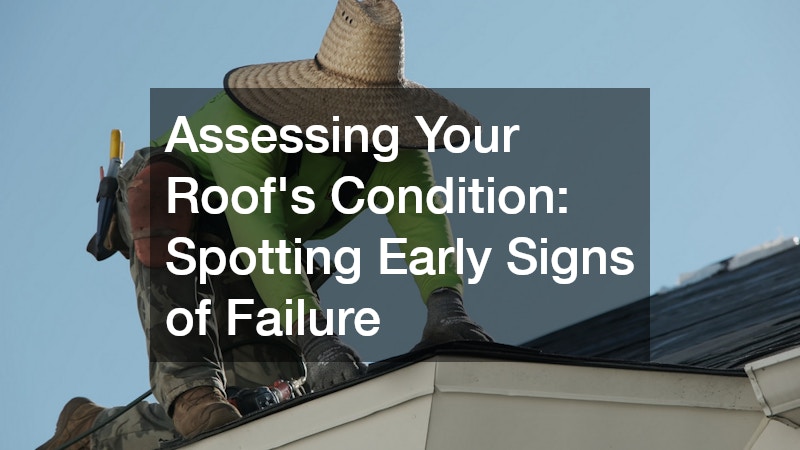
A proactive approach to roof maintenance starts with regular, structured inspections. Catching minor wear and tear before water penetrates the underlying deck can save you from costly structural repairs. While a full walk on a steep roof pitch should always be left to trained professionals, homeowners can conduct a thorough bi-annual audit safely from the ground using a pair of binoculars, paired with a simple interior attic check.
During your ground-level exterior inspection, focus your attention on the primary danger zones where water intrusion typically begins:
- Shingle Wear and Physical Damage: Look for shingles that are curling at the edges, cupping in the center, cracking, or missing entirely. Excessive loss of dark asphalt granules—often accumulating in gutter troughs or near downspouts—signals that shingles are reaching the end of their weather-resistant lifespan.
- Flashing and Penetrations: Inspect the metal flashing around chimneys, skylights, plumbing vent pipes, and dormers. Rusting, loose, or cracked sealant around these flashings is a leading cause of sudden indoor leaks.
- Sagging Rooflines: A visibly dipping or bowing roofline along the ridge or valleys often indicates long-term water damage, rotted plywood decking, or compromised structural rafters beneath the shingles.
Inside the home, the attic provides crucial clues about your roof’s health. Take a flashlight into the attic during a bright sunny day to check for sunlight peeking through the roof boards. Look for dark water rings, soft wood, or active mold growth on the underside of the plywood decking, especially around roof penetrations and valleys.
Understanding the full range of professional structural care and long-term maintenance options allows you to determine whether a minor fix will suffice or if comprehensive intervention is necessary. If your roof is relatively young and the damage is localized to a small area—such as a few wind-blown shingles or a loose pipe boot—scheduling a targeted roof repair service is a cost-effective way to restore weatherproofing and extend the overall lifespan of your existing system without unnecessary capital expense.
Additionally, keeping detailed records of every inspection, localized patch, and routine gutter cleaning creates a valuable maintenance history. Should you ever need to file an insurance claim after a major hail or windstorm, having documented proof that your roof was well-maintained prevents insurers from attributing storm damage to pre-existing neglect or normal wear and tear.
Vetting Trade Professionals: Key Credentials and Local Standing
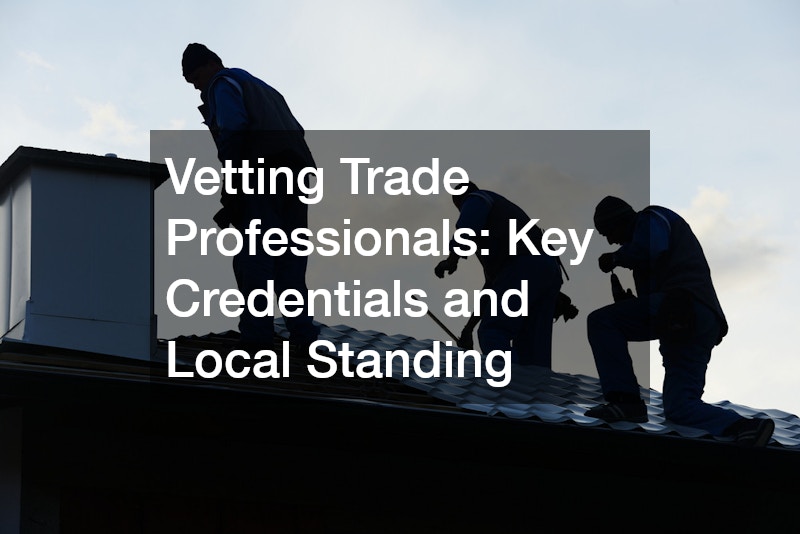
Once you establish that your roof requires professional attention, the most critical decision you will make is selecting the contractor who will perform the work. The roofing industry is unfortunately filled with out-of-town “storm chasers” and uninsured handymen who offer low prices but disappear when installation defects or warranty issues arise months later.
Protecting your financial investment requires rigorous vetting before signing any contracts or paying an initial deposit. Begin by requesting proof of two mandatory coverages: comprehensive general liability insurance (ideally $1 million or more) and full workers’ compensation insurance for every crew member who steps onto your property. Without workers’ compensation, a worker injured on your property could potentially hold you liable for medical expenses and lost wages through your homeowner’s insurance policy.
Beyond basic insurance and state trade licensing, look for contractors who hold high-level manufacturer certifications, such as GAF Master Elite, Owens Corning Platinum Preferred, or CertainTeed SELECT ShingleMaster status. These elite designations are awarded only to contractors who maintain strict financial stability, ongoing safety training, and a proven track record of quality workmanship. Importantly, certified contractors can offer extended factory-backed warranties that cover both material defects and installation labor for up to fifty years.
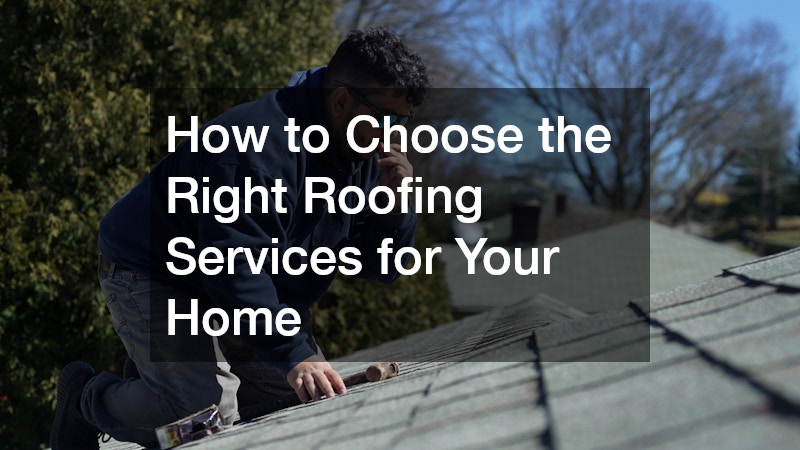
Entrusting your home to a dedicated residential roofer ensures that the crew possesses specific expertise in home architectural styles, steep-slope safety, and residential moisture control rather than general commercial construction methods. Furthermore, partnering with an established local roofing contractor guarantees that your installer understands regional climate demands, stays up to date on local building codes, and maintains a physical office in your community where you can reach them for future service or warranty support.
Checking online customer reviews across multiple independent platforms and asking for local references from recent projects in your neighborhood will give you firsthand insight into a contractor’s punctuality, communication style, and job site cleanliness.
Evaluating Estimates: Decoding Scope, Materials, and Pricing
Obtaining three detailed, written proposals from well-vetted contractors is standard practice for major home improvements. However, simply comparing the final price tag on each quote is a dangerous mistake. A quote that is significantly lower than the others often indicates that the contractor is cutting corners on essential underlayment materials, using low-tier shingles, omitting proper valley protection, or employing uninsured, untrained labor.
To perform a true side-by-side comparison, insist on an itemized estimate that breaks down every phase of the project into clear, written specifications:
- Teardown and Disposal: The estimate should explicitly state that the old roofing layers will be stripped down to the bare wood deck, hauled away, and disposed of properly, including all cleanup and landfill fees.
- Underlayment and Ice Shielding: Look for modern synthetic underlayments rather than cheap asphalt felt paper. In colder climates or low-slope areas, verify the inclusion of self-adhering ice and water shield membranes along eaves, valleys, and rakes.
- Drip Edges and Flashing: Ensure the contract specifies new aluminum or steel drip edge metal along all roof edges, as well as new step flashing and counter flashing around chimneys and sidewalls.
- Ventilation Upgrades: The proposal must account for balanced attic airflow, specifying ridge vents, soffit intake vents, or smart attic fans to prevent heat and moisture buildup.
Understanding the difference between long-term material warranties and labor warranties is equally vital. While material manufacturers cover shingle degradation, your installer’s workmanship warranty covers installation errors, such as misaligned shingles or improperly sealed flashing, which cause the vast majority of roof leaks.
Carefully evaluating written roof estimates line by line helps you spot missing components or vague language before work begins. Working with an established, professional roofing company ensures that you receive a legally binding contract with transparent payment terms, a clear project timeline, and formal written warranties that protect your home for decades.
Selecting the Right Project Scope: Replacement vs. New Installation
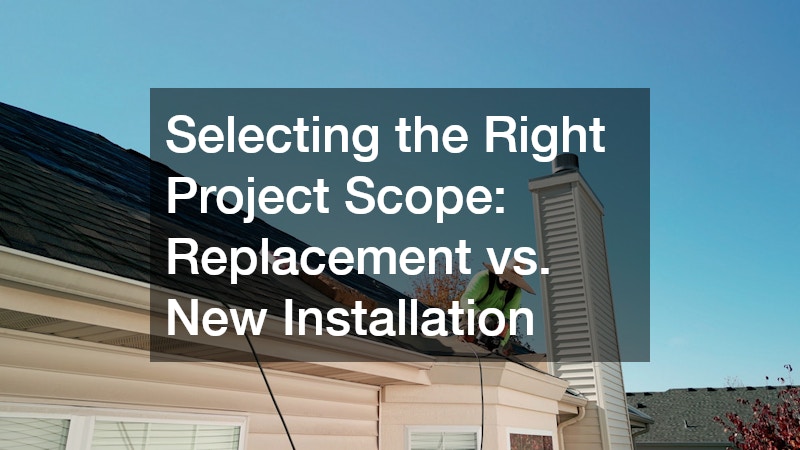
When an existing roof reaches the end of its useful life, homeowners are often faced with a choice: can you install a new layer of shingles directly over the old ones (an overlay), or should you strip the roof entirely down to the wood deck? While an overlay may save a small amount upfront in labor and disposal costs, industry experts almost universally advise against it.
Laying new shingles over an old, uneven surface traps heat, hides rotted plywood decking beneath, prevents the installation of modern ice and water shields, and adds immense weight to your home’s roof framing. Furthermore, most shingle manufacturers void or severely restrict their long-term warranties when products are installed as an overlay.
Stripping the roof down to the bare deck allows contractors to perform a complete structural audit of your home’s roof framing and sheathing:
- Inspecting the Wood Decking: Damaged, rotted, or delaminated plywood sheets are removed and replaced with new CDX plywood or OSB panels, creating a clean, solid, and flat nailing surface.
- Installing Modern Membranes: A continuous layer of synthetic underlayment is applied, providing a secondary water barrier that outperforms traditional felt paper in tear strength and water resistance.
- Enhancing Eave and Valley Protection: Polymer-modified self-adhering membranes are applied directly to the bare wood along valleys, eaves, and around penetrations to prevent water back-up caused by wind-driven rain or winter ice dams.
- Optimizing Airflow: Exhaust and intake venting parameters are recalculated to ensure continuous air turnover in the attic, keeping the roof deck cool in summer and dry in winter.
When structural degradation is severe, investing in complete roof replacement services eliminates hidden rot, reinforces the roof structure, and restores full weather resistance to your home. Selecting a full tear-off and modern multi-layer roof installations guarantees that every single component—from the wood deck up to the ridge cap—works seamlessly as an integrated system engineered to withstand severe weather.
Project Management and Quality Assurance: Ensuring Long-Term Value
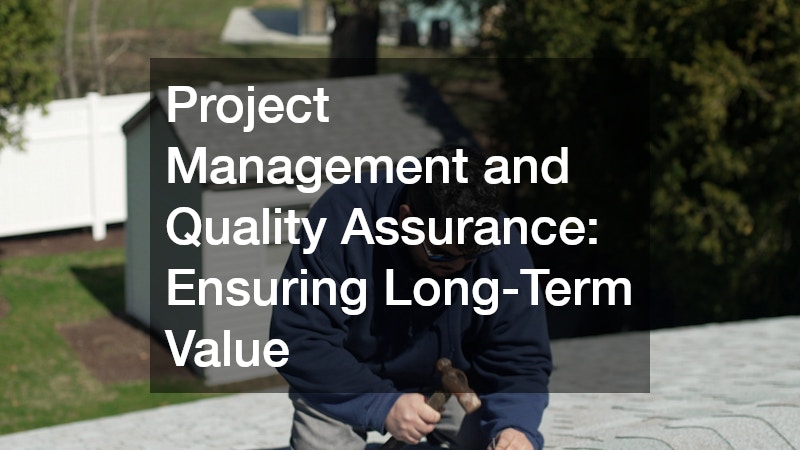
The day of installation can be noisy, dusty, and disruptive to your daily routine. A typical residential re-roofing project involves removing thousands of pounds of old material and driving tens of thousands of roofing nails into your home. How a contractor manages the job site during construction is a direct reflection of their overall professionalism and commitment to quality.
Before work begins, establish clear expectations regarding property protection and job site safety. A professional crew will take extensive precautions to safeguard your property throughout the tear-off and construction phases:
- Property Protection Measures: Plywood sheets should be leaning against delicate windows and air conditioning units, while heavy-duty tarps should cover your landscaping, flowerbeds, decks, and driveway to catch falling debris.
- On-Site Supervision: An experienced crew foreman or project manager should remain on site throughout the installation to supervise safety protocols, inspect nail placement, and address unforeseen decking rot immediately.
- Post-Job Cleanup: The crew must perform a thorough cleanup of your grounds, including sweeping all paved and grassy areas with high-powered rolling magnets to collect fallen nails that could puncture tires or footwear.
Quality control does not end when the last shingle is nailed down. Before making your final payment, perform a detailed walkthrough with the project foreman. Inspect the finished roof from the ground to verify straight shingle courses, clean valley alignment, neatly fitted ridge caps, and pristine flashing work around chimneys and sidewalls. Check your gutters, lawn, and driveway to ensure all construction waste and sharp metal scraps have been completely cleared.
Understanding what should happen during an active build phase allows you to monitor progress with confidence when hiring a top-tier roof installation service. Partnering with a meticulous quality roofer ensures that every detail—from underlayment overlaps to final nail depth—is executed to the highest industry standards, delivering peace of mind and long-term protection for your family.
Conclusion
Choosing the right roofing services and contractor is one of the most significant investments you will ever make in your home. By taking a proactive approach—conducting regular inspections, checking credentials, comparing detailed itemized proposals, selecting a complete tear-off scope, and enforcing strict job site standards—you eliminate guesswork and protect your property from costly future water damage.
Your roof does far more than simply complete the visual aesthetic of your house; it safeguards your family, your personal belongings, and the structural integrity of your property day in and day out. Take the time to research local trade professionals, ask tough questions during consultations, and choose a partner who prioritizes craftsmanship and long-term value over quick fixes. A well-built, professionally installed roof will reward you with decades of reliable protection, enhanced energy efficiency, and lasting peace of mind.
Additionally, consider leveraging technology by utilizing online reviews and social media platforms to gauge the reputation of potential contractors. Engaging with previous clients can provide you with valuable insights into their experiences and the quality of work delivered. Never underestimate the importance of warranties and after-service support; a reputable contractor should stand by their work and offer guarantees that ensure your investment is protected. Ultimately, a well-informed decision not only enhances the longevity of your roof but also contributes to the overall comfort and safety of your home, providing a shelter that you and your family can rely on for years to come.